



Axl
Axl is a TAM receptor tyrosine kinase activated by GAS6, and TAM receptors support apoptotic-cell recognition, efferocytosis, immune regulation, tissue homeostasis, and cancer-related signaling[1][2]. Mechanistically, Axl participates in ligand-induced TAM activation with TYRO3 and MERTK, but each receptor shows distinct activation patterns with GAS6, PROS1, apoptotic cells, phosphatidylserine vesicles, and enveloped virus[3]. In cancer models, Axl activation stimulates MAPK, AKT, and FAK pathways, while Axl inhibition or knockdown reduces tumor growth, migration, colony formation, and chemoresistance in NSCLC and neuroblastoma[2][4]. In inflammatory disease models, AXL/MERTK inhibition protected against pancreatic necrosis by limiting CXCL2-related neutrophil infiltration, whereas soluble Axl increased in lupus nephritis and multiple sclerosis lesions, indicating disease-linked dysregulation of GAS6-TAM signaling[5][6][7]. Compared with MERTK, Axl showed stronger effects on chemosensitivity in NSCLC, distinct ligand-response behavior among TAM isoforms, and critical roles with TYRO3 in GPVI-mediated platelet activation[3][2][8]. For experimental applications, Axl inhibitors, soluble TAM domains, and antagonist or agonist antibodies provide tools to test TAM signaling, immune regulation, apoptosis, and therapeutic sensitization[3][5][9].
References:
- [1]. Zhou L, et al. Tyro3, Axl, Mertk receptor-mediated efferocytosis and immune regulation in the tumor environment. Int Rev Cell Mol Biol. 2021;361:165-210. [Content Brief]
- [2]. Linger RM, et al. Mer or Axl receptor tyrosine kinase inhibition promotes apoptosis, blocks growth and enhances chemosensitivity of human non-small cell lung cancer. Oncogene. 2013 Jul 18;32(29):3420-31. [Content Brief]
- [3]. Tsou WI, et al. Receptor tyrosine kinases, TYRO3, AXL, and MER, demonstrate distinct patterns and complex regulation of ligand-induced activation. J Biol Chem. 2014 Sep 12;289(37):25750-63. [Content Brief]
- [4]. Li Y, et al. Inhibition of Mer and Axl receptor tyrosine kinases leads to increased apoptosis and improved chemosensitivity in human neuroblastoma. Biochem Biophys Res Commun. 2015 Feb 13;457(3):461-6. [Content Brief]
- [5]. Bao J, et al. AXL and MERTK receptor tyrosine kinases inhibition protects against pancreatic necrosis via selectively limiting CXCL2-related neutrophil infiltration. Biochim Biophys Acta Mol Basis Dis. 2022 Dec 1;1868(12):166490. [Content Brief]
- [6]. Bellan M, et al. Increased plasma levels of Gas6 and its soluble tyrosine kinase receptors Mer and Axl are associated with immunological activity and severity of lupus nephritis. Clin Exp Rheumatol. 2021 Jan-Feb;39(1):132-138. [Content Brief]
- [7]. Weinger JG, et al. Up-regulation of soluble Axl and Mer receptor tyrosine kinases negatively correlates with Gas6 in established multiple sclerosis lesions. Am J Pathol. 2009 Jul;175(1):283-93. [Content Brief]
- [8]. Zhou J, et al. Gas6 Receptors, Tyro3, Axl and Mer, Differentially Participate in Glycoprotein VI-Mediated Platelet activation.
- [9]. Ali SR, et al. Nerve Density and Neuronal Biomarkers in Cancer. Cancers (Basel). 2022 Oct 1;14(19):4817. [Content Brief]
-
Axl Related Products (68)
Related Products (68)

-
Bemcentinib
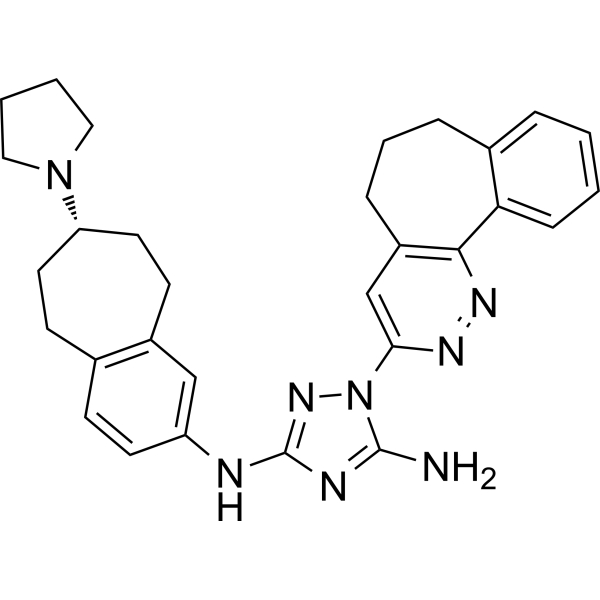 0 ImagesSynonyms: R428; BGB324Bemcentinib (R428) is a selective and orally active Axl inhibitor with an IC50 of 14 nM. Bemcentinib retards cancer cell migration and invasion. Bemcentinib exhibits >100-fold selectivity for Axl versus Abl and 50- and >100-fold selectivity over TAM family kinases Mer and Tyro3, respectively, in cells. Bemcentinib blocks tumor spread and prolongs survival in models of metastatic breast cancer.
-
Cabozantinib
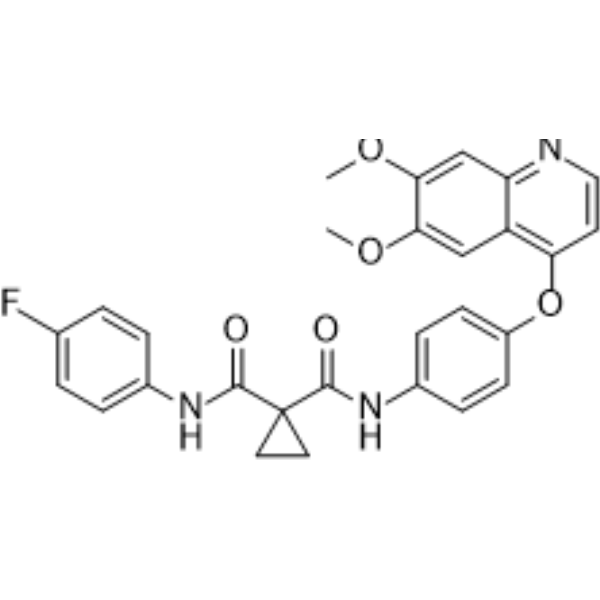 0 ImagesSynonyms: XL184; BMS-907351Cabozantinib is a potent and orally active inhibitor of VEGFR2 and MET, with IC50 values of 0.035, and 1.3 nM, respectively. Cabozantinib displays strong inhibition of KIT, RET, AXL, TIE2, and FLT3 (IC50=4.6, 5.2, 7, 14.3, and 11.3 nM, respectively). Cabozantinib shows antiangiogenic activity. Cabozantinib disrupts tumor vasculature and promotes tumor and endothelial cell apoptosis.
-
Gilteritinib
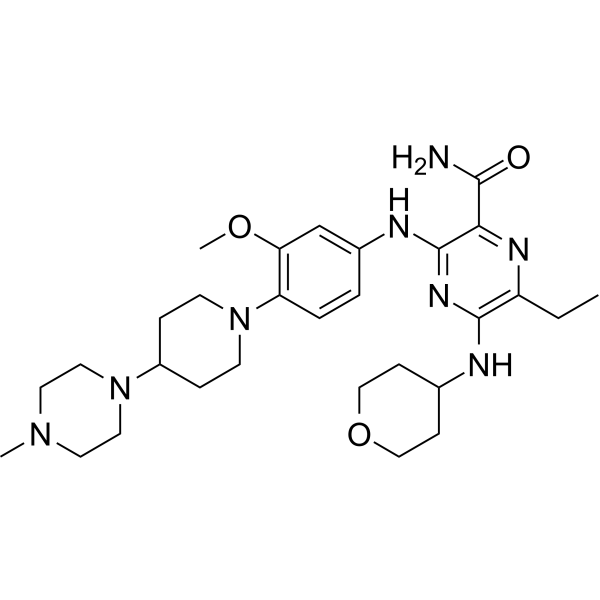 0 ImagesSynonyms: ASP2215
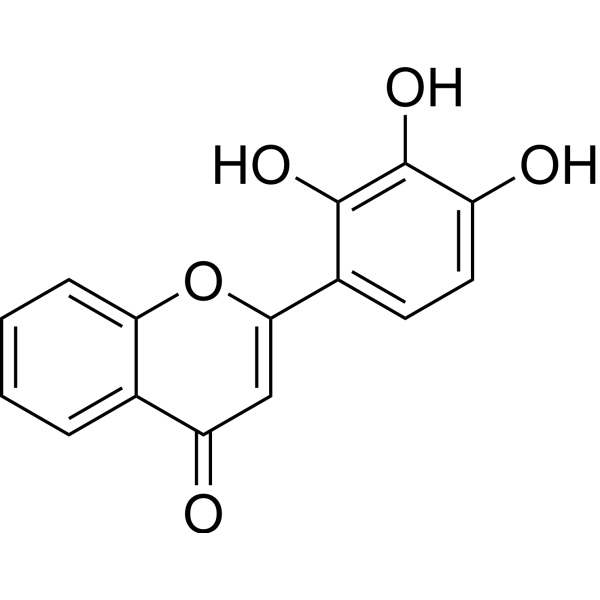
-
BMS 777607
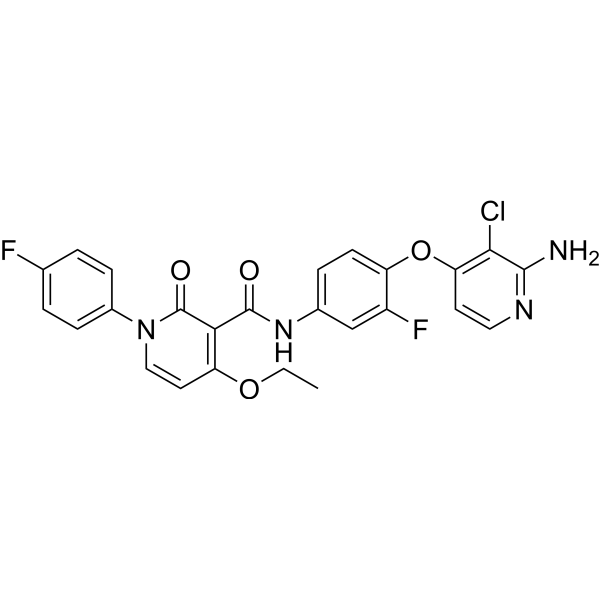 0 ImagesSynonyms: BMS 817378BMS 777607 (BMS 817378) is a Met-related inhibitor for c-Met, Axl, Ron and Tyro3 with IC50s of 3.9 nM, 1.1 nM, 1.8 nM and 4.3 nM, respectively, and 40-fold more selective for Met-related targets than Lck, VEGFR-2, and TrkA/B, with more than 500-fold greater selectivity versus all other receptor and non receptor kinases.
-
Ligritinib
 0 ImagesSynonyms: AB801Ligritinib (AB801) is an orally active AXL receptor tyrosine kinase inhibitor, with a IC50 of 1.8 nM, Ki of 0.024 nM, and Kd of 0.093 nM against human targets. It exhibits broad selectivity against the human kinome, including high selectivity for MERTK and TYRO3. Ligritinib blocks the AXL signaling pathway independent of dimerization inducers, and acts as both a tumor growth inhibitor and an AXL inducer. Ligritinib can be used in research related to clear cell renal cell carcinoma, advanced solid tumors, and non-small cell lung cancer.
-
AZ14145845
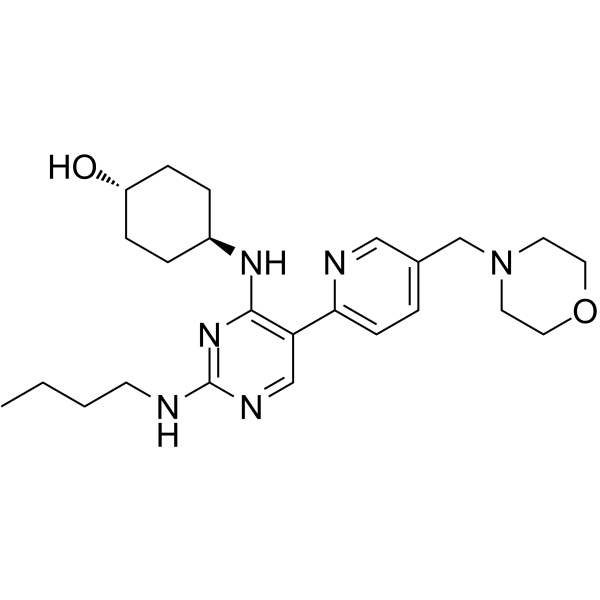
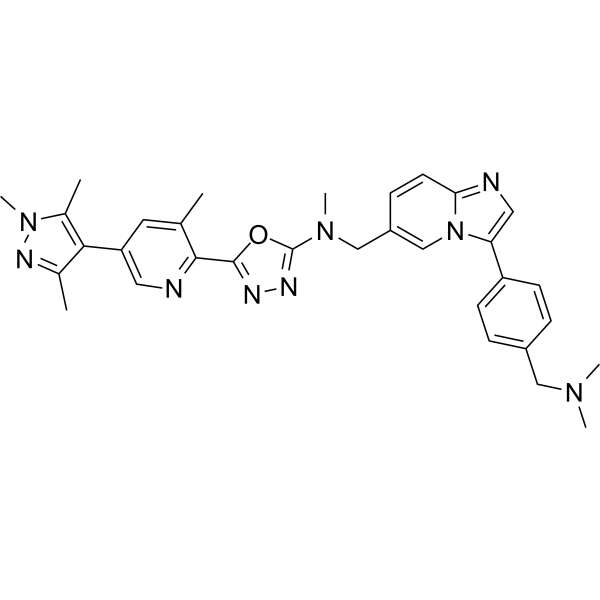 0 ImagesAZ14145845 is an orally active dual-target type 1½ kinase inhibitor of Mer/Axl, which inhibits Mer kinase (pIC50 = 9.0) and Axl kinase (pIC50 = 7.9) with high selectivity over Flt3 and Tyro3. AZ14145845 suppresses Mer- and Axl-dependent proliferation in Ba/F3 cells and inhibits efferocytosis in macrophages. AZ14145845 reduces the phagocytosis of photoreceptor outer segments by polarized human retinal epithelial cells. AZ14145845 inhibits tumor growth and induces tumor regression in vivo, and its combination with anti-PD1 antibody and ionizing radiation improves the survival rate of mice with colorectal cancer. AZ14145845 causes retinal degeneration in mice, with pathological changes similar to those in MERTK loss-of-function models. AZ14145845 can be used in studies related to retinal degeneration, lymphoma and colorectal cancer.
-
Zanzalintinib
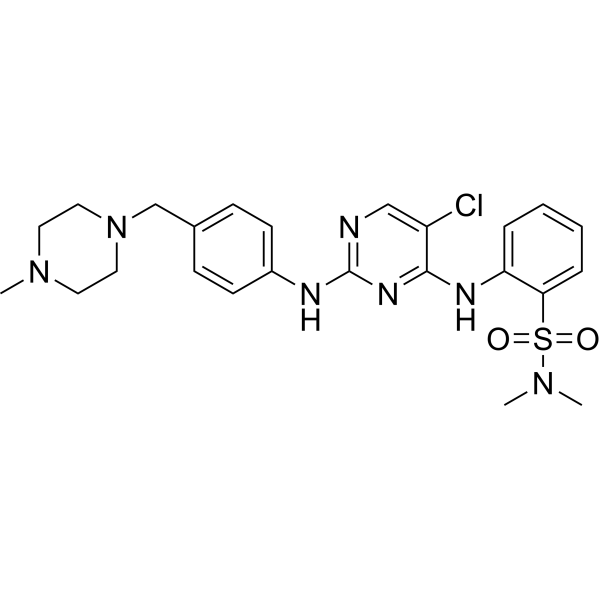
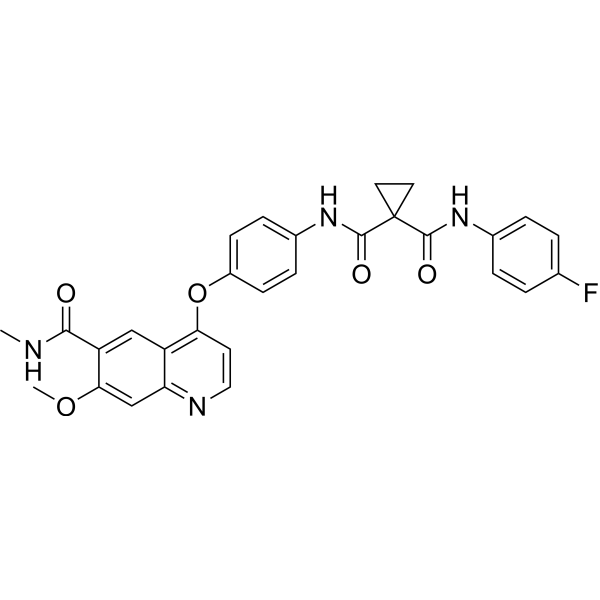 0 ImagesSynonyms: XL092Zanzalintinib (XL092) is an orally active, ATP-competitive inhibitor of multiple receptor tyrosine kinases (RTKs) including MET, VEGFR2, AXL and MER, with IC50s in cell-based assays of 15 nM, 1.6 nM, 3.4 nM, 7.2 nM respectively. Zanzalintinib exhibits anti-tumor activity. Zanzalintinib has the potential for kinase-dependent diseases and conditions research.
-
LDC1267
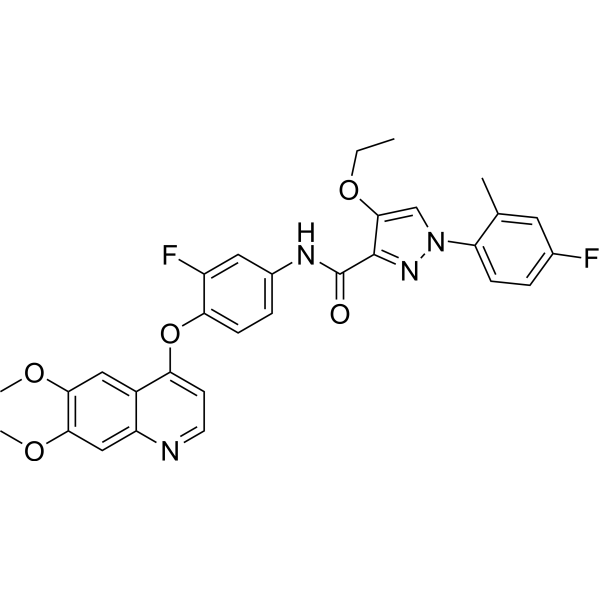 0 ImagesLDC1267 is a AXL/TAM/FLT3 inhibitor with IC50 values of 42 nM, 130 nM, and 63 nM against AXL, MERTK, and TYRO3, respectively. LDC1267 blocks GAS6-induced AXL phosphorylation and the downstream AKT/ERK1/2 signaling pathway. LDC1267 inhibits cancer cell proliferation, colony formation, and glioblastoma cell invasion, without causing obvious impairment of cytotoxic autophagic flux. LDC1267 exerts a synergistic effect when used in combination with Imatinib (HY-15463) in chronic myeloid leukemia models. LDC1267 can be widely applied in studies related to glioblastoma and chronic myeloid leukemia.
-
UNC569
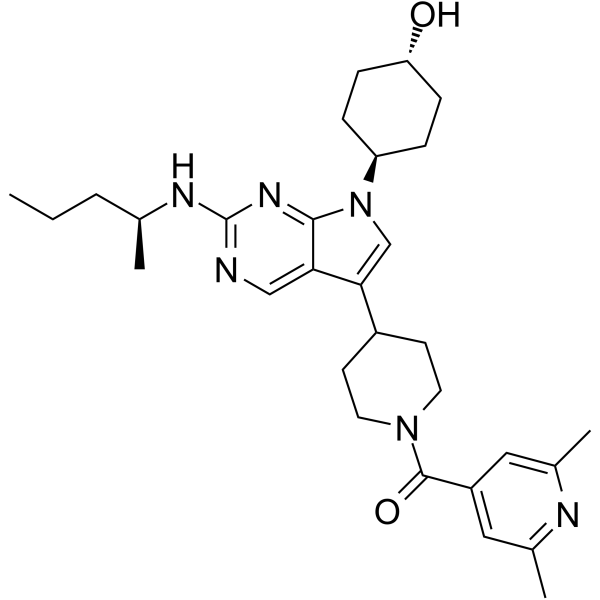
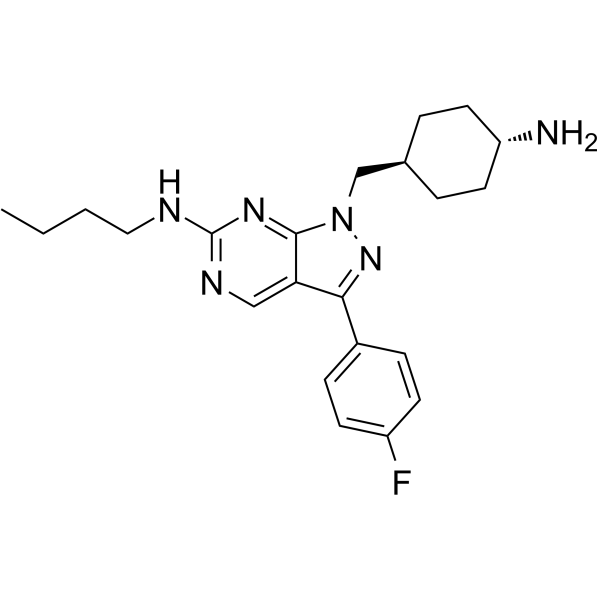 0 ImagesUNC569 is a potent, reversible, ATP-competitive and orally active Mer kinase inhibitor with an IC50 of 2.9 nM and a Ki of 4.3 nM. UNC569 also inhibits Axl and Tyro3 with IC50s of 37 nM and 48 nM, respectively. UNC569 can be used for acute lymphoblastic leukemia (ALL) and atypical teratoid/rhabdoid tumors research
-
Gilteritinib hemifumarate
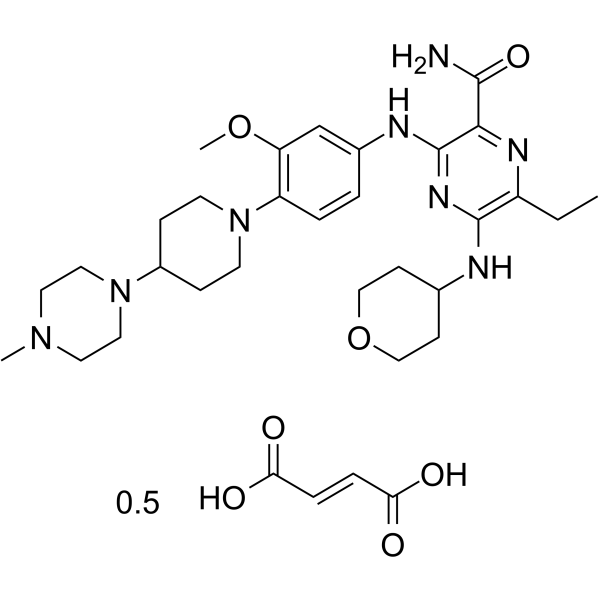 0 ImagesSynonyms: ASP2215 hemifumarate
-
Tamnorzatinib
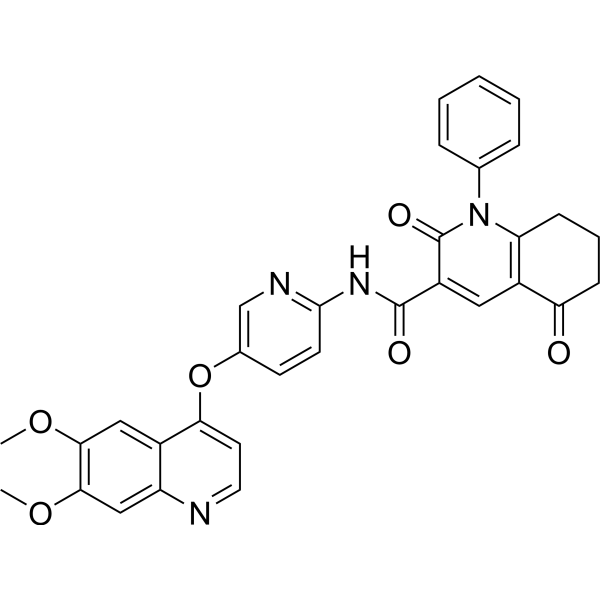 0 ImagesSynonyms: ONO-7475Tamnorzatinib (ONO-7475) is a potent, selective, and orally active Axl/Mer inhibitor with IC50 values of 0.7 nM and 1.0 nM, respectively. Tamnorzatinib sensitizes AXL-overexpressing EGFR-mutant NSCLC cells to the EGFR-TKIs, suppresses the emergence and maintenance of tolerant cells. Tamnorzatinib combines with Osimertinib (HY-15772) provides a bright promise for the study of EGFR-mutated non-small cell lung cancer (NSCLC).
-
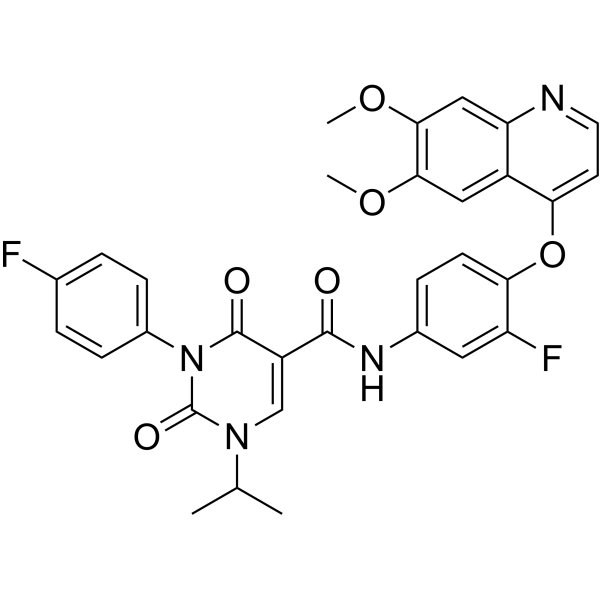
Batiraxcept
 0 ImagesSynonyms: AVB-500; AVB-S6-500Batiraxcept (AVB-500; AVB-S6-500) is a selective, soluble AXL receptor and GAS6 inhibitor that targets the GAS6-AXL signaling axis. Batiraxcept is orally inactive and does not cross the blood-brain barrier. Batiraxcept competitively binds to GAS6 ((KD <1 nM), preventing its interaction with the AXL receptor tyrosine kinase, thereby inhibiting downstream PI3K/AKT and MAPK signaling pathways, reducing tumor cell glycolysis, angiogenesis, and metastatic potential. Batiraxcept has demonstrated antitumor activity in preclinical models of endometrial, cholangiocarcinoma, and ovarian cancer by inhibiting tumor growth, invasion, and metastasis.
-
SGI-7079
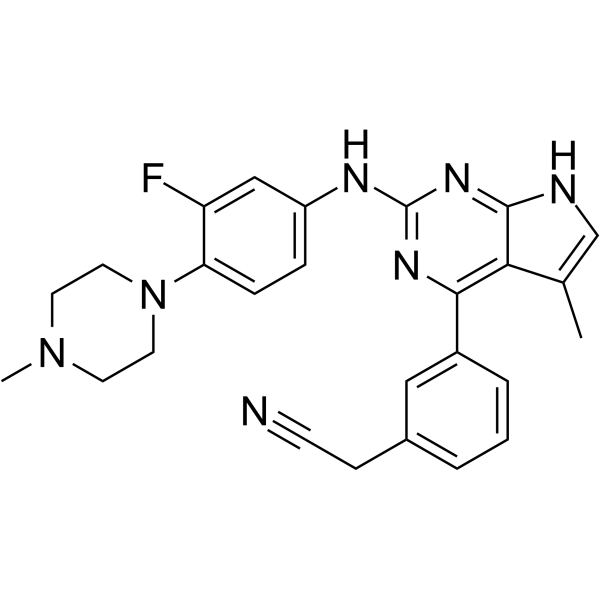 0 ImagesSGI-7079 is a selective, ATP-competitive, orally active inhibitor of the receptor tyrosine kinase Axl. SGI-7079 blocks Axl-mediated signaling pathways such as NF-κB activation and MMP-9 expression, thereby inhibiting tumor cell proliferation, migration and invasion. SGI-7079 is mainly used in the research of malignant tumors such as inflammatory breast cancer and bladder cancer, as well as in combination with immunization (used in combination with PD-1 therapy)[1][2][3].
-
Tilvestamab
 0 ImagesSynonyms: BGB149Tilvestamab (BGB149) is a humanized anti-AXL antibody that blocks AXL-mediated cell signaling. Tilvestamab significantly inhibits Gas6-induced AXL activation in 786-0-Luc RCC cells and inhibits downstream AKT phosphorylation. Tilvestamab can be used in cancer research, particularly in AXL overexpressing renal cell carcinomas.
-
UNC9426
 0 ImagesUNC9426 is a potent and selective TYRO3 inhibitor (IC50 = 2.1 nM), demonstrating 276-fold and 90-fold selectivity over MERTK and AXL, respectively. UNC9426 reduces platelet aggregation without increasing bleeding time and blocks TYRO3-dependent functions in tumor cells and macrophages. UNC9426 demonstrates a favorable safety profile with no significant increase in bleeding risk in vivo. UNC9426 can be used for functional studies of TYRO3-dependent phenotypes such as non-small cell lung cancer (NSCLC).



